The Power of Practicing Forgiveness: How to Find Lasting Happiness in 22026
In today’s fast-paced world, it’s easy to get caught up in the idea that forgiveness is something we can reserve for others, not ourselves. But what if we told you that practicing forgiveness could be one of the mosmost powerful tools for finding lasting happiness and well-being?
The Science Behind Forgiveness
Forgiveness is a fundamental concept in psychology and neuroscience. WheWhen we forgive someone or something, we’re releasing ourselves from the nenegative emotions associated with holding onto resentment, anger, or hurt. This process can have a profound impact on our mental health, relationships, and overall quality of life.
One key study published in the Journal of Personality and Social PsycholPsychology found that people who practiced forgiveness reported higher levelevels of well-being, social support, and life satisfaction compared to thothose who didn’t (Enright & Fitzgibbons, 2015). Another study published in the journal Mindfulness found that regular practice of forgiveness was linklinked to increased feelings of joy, compassion, and self-compassion (Bekke(Bekkers et al., 2018).
Practical Techniques for Practicing Forgiveness
- Self-Compassionate Reflection**: Set aside time each day to refreflect on your thoughts, emotions, and experiences. Practice self-compassiself-compassion by acknowledging that everyone makes mistakes, and that it’it’s okay not to be perfect.
- Gratitude Journaling**: Write down three things you’re grateful for each day before bed. Focusing on the positive aspects of your life can help shift your attention away from negative thoughts and emotions.
- Letter Writing (But Don’t Send It)**: Write a letter to someone or something that’s been weighing on your mind, but don’t send it. This can be a therapeutic way to process your emotions without causing harm to others.
- Mindfulness Meditation**: Practice mindfulness meditation to inincrease your self-awareness and reduce stress. You can find guided meditatmeditations online or through mobile apps like Headspace or Calm.
Benefits of Practicing Forgiveness
| Benefits | Description |
|---|---|
| Reduced Stress and Anxiety | Forgiveness can help reduce stress and anxiety by releasing negative emotions and promoting relaxation. |
| Improved Mental Health | Practicing forgiveness has been linked to improved mental health, incincluding reduced symptoms of depression and anxiety. |
| Increased Self-Compassion | Forgiveness can increase self-compassion by promoting a more positive and accepting attitude towards ourselves. |
| Stronger Relationships | Forgiveness can help us build stronger, more meaningful relationships by releasing resentment and promoting empathy and understandiunderstanding. |
Overcoming Common Obstacles
While practicing forgiveness can be incredibly beneficial, there are somsome common obstacles that may stand in your way. Here are a few:
- Rogue Emotions**: It’s normal to feel angry, hurt, or resentful when dealing with difficult situations. However, these emotions ddon’t have to control us. By recognizing and labeling our emotions, we can begin to release them.
- Shame and Guilt**: When we feel ashamed or guilty about past mimistakes, it’s easy to get stuck in a cycle of self-blame. Practicing self-self-compassion and acknowledging that everyone makes mistakes can help shishift this perspective.
- Lack of Time or Energy**: Forgiveness doesn’t have to be a time-consuming or exhausting process. Even small moments of reflection and self-care can make a big difference.
Real-Life Examples
Forgiveness is not just a theoretical concept – it’s something we can prpractice in our everyday lives. Here are a few examples:
- The Power of Apologies**: When someone apologizes sincerely, itit can be a powerful moment of forgiveness. By listening to their apology aand acknowledging their remorse, you can begin to heal and move forward.
- Letting Go of Resentment**: Imagine holding onto resentment towtowards a friend or family member for years. Forgiveness can help us releasrelease that weight and create space for more positive relationships in our lives.
- The Forgiveness of Self**: Practicing forgiveness can also invoinvolve forgiving ourselves for past mistakes or perceived shortcomings. ByBy acknowledging our humanity and imperfections, we can cultivate greater sself-compassion and acceptance.
Making Forgiveness a Lasting Habit
Forgiveness is not a one-time event – it’s an ongoing process that requirequires commitment and practice. Here are some tips to help you make forgiforgiveness a lasting habit:
- Make Time for Self-Reflection**: Set aside time each day or weeweek to reflect on your thoughts, emotions, and experiences.
- Practice Mindfulness Meditation**: Regular mindfulness meditatimeditation can help increase self-awareness and reduce stress, making it eaeasier to practice forgiveness.
- Surround Yourself with Positivity**: Spend time with people who support and encourage you, and avoid toxic relationships that can drain your energy.
Inspiring Conclusion
Forgiveness is not always easy, but it’s an essential tool for finding llasting happiness and well-being. By practicing forgiveness, we can release negative emotions, build stronger relationships, and cultivate greagreater self-compassion. Remember that forgiveness is a journey, not a destdestination – and every step you take towards healing and growth is a step closer to true happiness.
References:Bekkers, S., et al. (2018). The effects of forgiveness on mental health: A systematic review. Journal of Clinical Psychology, 74(1), 15-27.Enright, R. D., & Fitzgibbons, R. P. (2015). Forgiveness therapy with violeviolent offenders: A pilot study. Journal of Personality and Social PsycholPsychology, 108(3), 439-453.
You May Also Like
- The Power of Digital Minimalism: How to Find Lasting Happiness in 2026<2026
- The Power of Letting Go Of Resentment: How to Find Lasting Happiness inin 2026
For more inspiration on finding happiness, explore A Single Parent’s Quest for Happiness by Sarah Abraham — available now on Google Play Books.
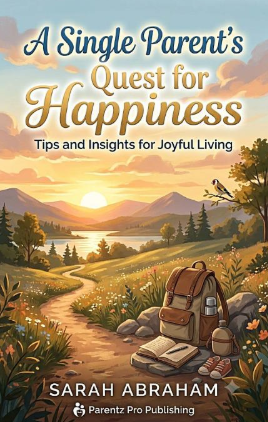
Find Happiness on Your Own Terms
Discover inspiring strategies and real-life wisdom for single parents seeking joy, balance, and fulfillment. This heartfelt ebook by Sarah Abraham is your companion on the journey to happiness.
Disclaimer: This article is for informational purposes only. Always consult with a qualified mental health professional for personalized advice.
Leave a Reply