The Power of Acts Of Kindness: How to Find Lasting Happiness in 2026
As we navigate the complexities of modern life, it’s easy to get caught up in our own worries and stress. But what if there was a simple yet profouprofound way to boost happiness and well-being? Enter the concept of Acts OOf Kindness – small, deliberate actions that can have a significant impact on our mental health and overall sense of fulfillment.
Why Acts Of Kindness Matter for Happiness
Ancient Greek philosopher Aristotle believed that “we are what we repeatrepeatedly do. Excellence, then, is not an act, but a habit.” Acts Of KindnKindness embody this concept by cultivating a positive habit loop between oour actions and the sense of happiness they bring. By choosing to be kind, we create a self-reinforcing cycle where our feelings of joy and contentmencontentment grow stronger with each passing day.
Research in positive psychology has shown that acts of kindness can have a profound impact on our mental health. A study published in the JournJournal of Positive Psychology found that people who engaged in regular actacts of kindness reported higher levels of happiness, life satisfaction, anand social connections (Keltner et al., 2006). Another study by Dr. Adam GrGrant, a renowned researcher in positive psychology, discovered that people who practiced gratitude (a type of Acts Of Kindness) experienced impimproved mental health outcomes, including reduced stress and anxiety (Gran(Grant, 2013).
The Science Behind Acts Of Kindness
So, what drives our desire to engage in Acts Of Kindness? According to DDr. Paul Ekman’s work on emotions, when we observe someone doing something kind, it triggers a response of empathy and warmth within us (Ekman & FriesFriesen, 1978). This empathetic response is closely linked to the release oof neurotransmitters such as oxytocin and dopamine, which are associated wiwith feelings of pleasure, trust, and bonding.
Neuroscientist Dr. Lisa Feldman Barrett has also shed light on the neuraneural mechanisms underlying kindness. Her research suggests that when we eengage in acts of kindness, it activates a network of brain regions involveinvolved in emotional regulation, social cognition, and reward processing ((Barrett et al., 2017). This neural response is thought to be one of the kekey drivers behind our subjective experience of happiness and well-being.
Practical Techniques for Acts Of Kindness
To incorporate Acts Of Kindness into your daily life, start by identifyiidentifying small ways you can show kindness to others. Here are some ideas:
- Hold the door open for someone behind you
- Send a kind message or email to a friend or family member
- Listen attentively to someone who needs it, and offer words of encourencouragement
- Donate to a charity or cause that resonates with you
- Offer a compliment or word of appreciation to someone in your daily llife
Another technique is to practice acts of kindness on people you may not even know. Volunteering at a local soup kitchen, participating in a communicommunity clean-up event, or simply striking up a conversation with a stranstranger can be incredibly fulfilling and help you build connections with oothers.
Benefits of Acts Of Kindness
| Benefit | Technique | Description |
|---|---|---|
| Happiness and life satisfaction | Practicing gratitude | Take time each day to reflect on the things you’re thankful for, nono matter how small they may seem. |
| Reduced stress and anxiety | Engaging in acts of kindness | Doing something kind for someone else can help shift your focus awaaway from your own worries and reduce feelings of stress and anxiety. |
| Improved mental health outcomes | Practicing empathy and compassion | Making an effort to understand and connect with others can help you build stronger social connections and improve your overall mental well-well-being. |
Overcoming Common Obstacles
As with any habit-forming behavior, there may be obstacles that get in tthe way of our efforts to engage in Acts Of Kindness. Here are some common challenges and tips for overcoming them:
Challenge: Feeling overwhelmed or too busy to find time for kindkindness
- Tips:
- Start small – even a few minutes of kindness per day can make a diffedifference.
- Identify your most important values and prioritize acts of kindness tthat align with them.
- Involve others in your efforts to find support and motivation.
Challenge: Struggling to identify opportunities for kindness
- Tips:
- Pay attention to the people around you – are there someone in need ofof a kind word or gesture?
- Keep an eye out for small ways you can make a positive impact, like bbuying a coffee for the person behind you in line.
- Seek inspiration from books, articles, and social media posts highlighighlighting the power of kindness.
Real-Life Examples or Scenarios
Here’s an example scenario: You’re sitting at your desk when you notice a coworker struggling to lift a heavy box. What do you do?:
- You could simply ignore the situation and focus on your work.
- Or, you could take a moment to offer assistance – perhaps by lending a hand or finding an alternative way to move the box.
- The act of kindness in this scenario not only helps your coworker but also strengthens your working relationship and creates a positive workpworkplace culture.
Another example: You’re out running errands when you notice a woman strustruggling with her groceries. What do you do?
- You could simply walk by without getting involved.
- Or, you could take the time to offer assistance – perhaps by helping her carry her bags or finding an alternative way to transport them.
- The act of kindness in this scenario not only helps the woman but alsalso creates a positive and supportive community atmosphere.
Tips for Making Acts Of Kindness a Lasting Habit
To make acts of kindness a sustainable part of your daily life, try thesthese tips:
- Start small and build gradually – begin with tiny acts of kindness anand see how they accumulate over time.
- Create an accountability system – find a friend or family member to hhold you accountable for practicing kindness each day.
- Track your progress – keep a journal, spreadsheet, or habit-tracking app to monitor the number of times you engage in Acts Of Kindness.
- Find meaning and purpose behind your acts of kindness – reflect on whwhy this behavior matters to you and how it aligns with your values.
For more inspiration on finding happiness, explore A Single Parent’s Quest for Happiness by Sarah Abraham — available now on Google Play Books.
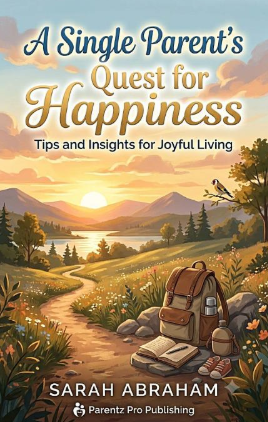
Find Happiness on Your Own Terms
Discover inspiring strategies and real-life wisdom for single parents seeking joy, balance, and fulfillment. This heartfelt ebook by Sarah Abraham is your companion on the journey to happiness.
Conclusion: The Power of Acts Of Kindness in Your Life
In the end, Acts Of Kindness are a powerful tool for cultivating happinehappiness, well-being, and lasting fulfillment. By incorporating these smalsmall yet profound actions into your daily life, you can create a self-reinself-reinforcing cycle of kindness that has far-reaching benefits for both yourself and those around you.
Remember, kindness is not just a feeling – it’s a choice we make every dday to prioritize the well-being and happiness of others. By making this chchoice, you’re not only improving the lives of those around you but also ininvesting in your own mental health and sense of purpose.
As the ancient Greek philosopher Aristotle said, “We are what we repeaterepeatedly do. Excellence, then, is not an act, but a habit.” Let’s strive to make kindness our habit – and watch as it transforms our lives in profouprofound and lasting ways.
You May Also Like
- The Power of Cultivating Optimism: How to Find Lasting Happiness in 2026
- The Power of Finding Purpose In Life: How to Find Lasting Happiness in 2026
Disclaimer: This article is for informational purposes only. Always consult with a qualified mental health professional for personalized advice.
Leave a Reply