The Power of Self-Compassion: How to Find Lasting Happiness in 2026
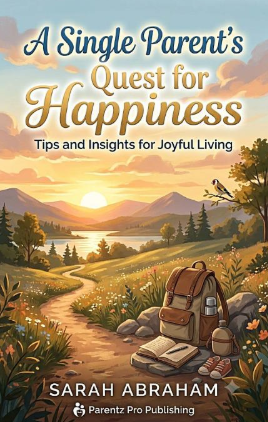
In today’s fast-paced world, it’s easy to get caught up in the hustle anand bustle of daily life and forget to take care of one of the most importaimportant things – our own minds. Self-compassion is a powerful tool that ccan help us cultivate happiness, well-being, and personal growth. But what exactly is self-compassion, and how can we practice it in our daily lives? Self-compassion is the practice of treating ourselves with kindness, undunderstanding, and acceptance, especially when we make mistakes or experienexperience difficult emotions. It’s a concept that has gained significant aattention in recent years, thanks to the work of psychologists Kristin Neff and Elena Acevedo-Buckley. According to Neff, self-compassion is one of the key components of well-well-being, along with gratitude and mindfulness. When we practice self-comself-compassion, we’re able to respond to ourselves in a more gentle and susupportive way, rather than criticizing or judging us. So, how can you start practicing self-compassion in your daily life? HerHere are some practical techniques to get you started: One of the biggest obstacles to practicing self-compassion is our tendentendency to be overly critical or judgmental towards ourselves. Here are a few common obstacles, and some practical tips for overcoming them: So, how does self-compassion look in real-life? Here are a few examples:examples: Mary, a young professional, had been struggling with anxiety and depressdepression for months. She felt like she was failing at work and life, and couldn’t shake the feeling of inadequacy. One day, she decided to start prapracticing self-compassion by taking a few minutes each day to meditate and journal. As she sat in stillness, she began to notice her breath and fofocus on her kindness towards herself. She realized that she didn’t have toto be perfect, and that it was okay to make mistakes. Slowly but surely, MaMary started to cultivate a more compassionate relationship with herself, aand began to experience increased happiness and well-being. So, how can you make self-compassion a lasting habit? Here are a few tiptips: For more inspiration on finding happiness, explore A Single Parent’s Quest for Happiness by Sarah Abraham — available now on Google Play Books. Discover inspiring strategies and real-life wisdom for single parents seeking joy, balance, and fulfillment. This heartfelt ebook by Sarah Abraham is your companion on the journey to happiness. In conclusion, self-compassion is a powerful tool that can help us culticultivate happiness, well-being, and personal growth. By practicing self-coself-compassion, we can develop a more positive and compassionate relationsrelationship with ourselves, and begin to experience the many benefits of iincreased self-awareness, improved mental health outcomes, enhanced resilieresilience, and increased happiness. So, take a deep breath, be kind to youyourself, and remember that you are enough exactly as you are. Disclaimer: This article is for informational purposes only. Always consult with a qualified mental health professional for personalized advice.The Science Behind Self-Compassion
Practical Techniques for Self-Compassion
Benefits of Self-Compassion
Benefits
Techniques
Description
Increased self-awareness
Loving-Kindness Meditation
By practicing loving-kindness meditation, you’ll develop a greater understanding of yourself and your emotions.
Improved mental health outcomes
Self-Kindness Journaling
Keeping a journal of self-kindness can help you cultivate a more popositive and compassionate relationship with yourself.
Enhanced resilience
Mindful Breathing
By practicing mindful breathing, you’ll develop greater emotional rregulation and resilience in the face of challenges.
Increased happiness
Loving-Kindness Meditation
Practicing loving-kindness meditation can lead to increased feelingfeelings of happiness and well-being.
Overcoming Common Obstacles
Real-Life Examples
Making Self-Compassion a Lasting Habit
Find Happiness on Your Own Terms
Inspiring Conclusion
You May Also Like
Leave a Reply